
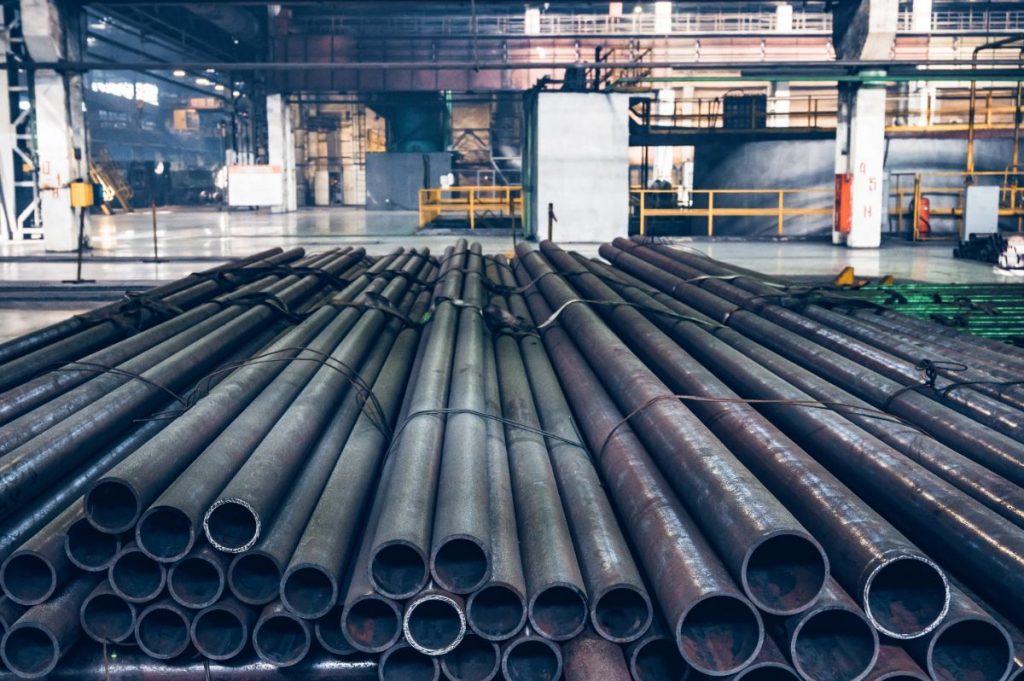
Steel pipes are essential components in construction, infrastructure, and industrial systems. Whether they’re used in building frameworks, transporting fluids, or supporting underground systems, selecting the right type of steel pipe can significantly impact the performance, safety, and longevity of a project. With many specifications and options available, making an informed choice requires understanding your project’s needs and the differences between pipe types.
This guide compares common steel pipe applications and materials to help you make the right decision.
Structural vs. Pipeline Applications
First, determine whether your project involves structural support or transporting materials (pipeline systems), as each use case has unique requirements.
Structural Applications
Steel pipes used for structural purposes must offer:
- Load-bearing strength
- Resistance to bending or compression
- Uniform wall thickness
These pipes are common in commercial buildings, bridges, scaffolding, and support columns. They’re often made from carbon steel or galvanized steel, depending on the environment.
Pipeline Applications
Pipes used for fluid or gas transportation need:
- Corrosion resistance
- Pressure rating compliance
- Seamless or welded construction based on flow requirements
Pipeline systems are typical in oil and gas industries, water distribution, and chemical plants.
Seamless vs. Welded Steel Pipes
Seamless Pipes
Made without a welded seam, seamless pipes are ideal for high-pressure and high-temperature applications. Their uniformity provides excellent strength and reduces the risk of leakage or rupture under stress.
Best for:
- High-pressure fluid transportation
- Gas pipelines
- Boiler tubing
Welded Pipes
These are formed by rolling and welding steel plates or coils. While slightly less robust than seamless pipes, they are cost-effective and sufficient for many structural and lower-pressure applications.
Best for:
- Construction and architecture
- Fencing
- Non-critical water and gas systems
Material Grades and Coatings
Different steel grades and finishes serve different environments:
- Carbon Steel: Strong, affordable, widely used in structural applications.
- Stainless Steel: Corrosion-resistant, ideal for food-grade or marine use.
- Galvanized Steel: Zinc-coated for rust resistance, perfect for outdoor structures.
- Alloy Steel: Enhanced performance for extreme pressure or temperature.
For environments that are particularly harsh or where longevity is crucial, choosing a product like Stealth tuyau en acier ensures the right balance of strength, durability, and resistance to corrosion, especially in demanding industrial applications.
Size, Wall Thickness, and Schedule Ratings
Steel pipes are classified by nominal size and wall thickness (also known as “schedule”). Common schedule ratings include:
- Schedule 40: Standard wall thickness, used in general applications.
- Schedule 80 or higher: Thicker walls, suitable for high-pressure use.
It’s critical to match your pipe’s wall thickness to the expected load or pressure in your system to prevent failures.
Compatibility and Installation Considerations
Ensure the pipe material and specifications are compatible with the fittings, valves, and systems in place. Improper material pairing can lead to galvanic corrosion or mechanical stress.
Also, consider the installation method. For example, seamless pipes are more suited for applications requiring bending or where access is limited.
Cost and Availability
Welded pipes are generally more economical and readily available in a wider range of sizes. Seamless pipes, while more expensive, are often necessary for specialized tasks. Weigh your budget against performance requirements to find the right fit.
Conclusion
Choosing the right steel pipe requires more than selecting the first available option. You must balance structural or fluid system needs, material compatibility, pressure and load ratings, and environmental conditions. By understanding the differences between seamless and welded pipes, material grades, and performance standards, you’ll be better equipped to select the ideal solution. For durable, reliable options tailored to demanding conditions, steel products such as Stealth tuyau en acier are trusted by professionals across multiple industries.