
Introduction
In the digital era we are living in today, brands always seek to find new ways of striving for customers’ attention. The old advertisements are no longer as effective as before. Rather, brands are now embracing more natural and word-of-mouth-influenced tactics to provide a long-term effect. One of these powerful strategies is buzz marketing – a kind of marketing designed to give the product or brand some buzz by creating an interest in it and making people talk about it.
What Is Buzz Marketing?
Buzz marketing refers to a marketing strategy that is aimed at generating hype or “buzz” for a brand, product, or service. It has a purpose of getting people talking – be it viral content, stories unleashing emotions, or influencer partnerships. Buzz marketing is different from traditional one because it seems more natural, personal, and suitable for sharing. This approach leverages human psychology: people rely on word of mouth from peers and influencers as compared to ads they pay for.
For further exploration of the tactics and best practices, this comprehensive guide on what buzz marketing is will help you learn the mechanisms by which brands can leverage these practices.
The Role of Social Media in Buzz Marketing
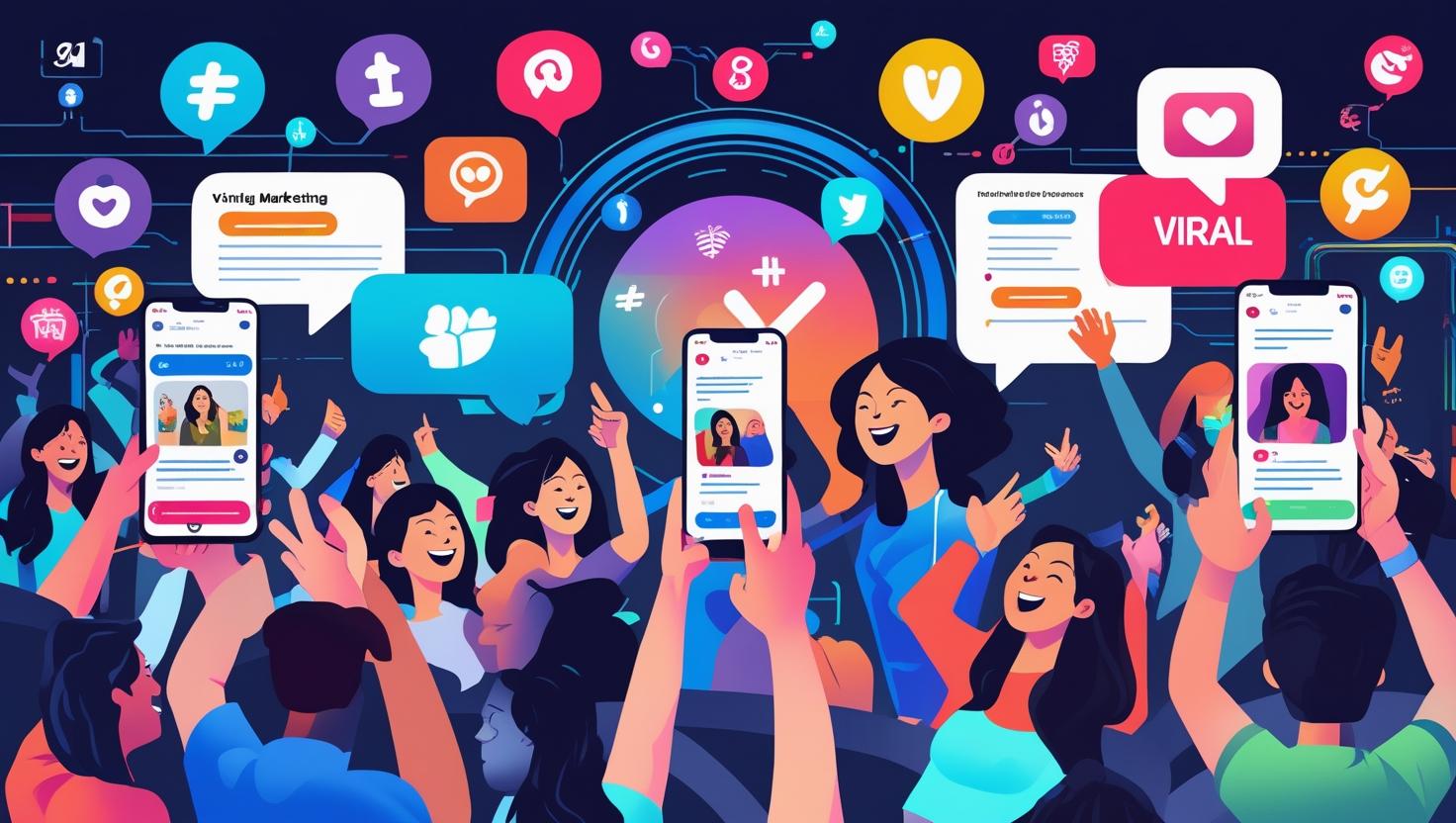
Social media is very important in ensuring that buzz marketing is a success. Sites such as Instagram, TikTok, and X (formerly Twitter) provide the possibility for brands to achieve virality with just one good post. Challenges issued on hashtags, user viral content, and memes tend to go viral faster than paid promotions.
For instance, let us take the case of TikTok’s viral success of the “Ocean Spray skateboarder” video. This was not a paid ad but a natural opportunity that created a lot of brand awareness. Companies can achieve exponential growth when buzz marketing is done correctly- Forbes.
Influencer Marketing: The Heart of Buzz
A large portion of buzz marketing at present is carried out by influencers. Sharing of your product by a popular influencer in a creative or relatable manner triggers interest and confidence in the followers. This is because most of the influencers have loyal audiences who look up to their opinions.
That is why it is critical to think about hiring the influencers that fit your brand’s ideology. Particularly, micro-influencers are supposed to have higher rates of engagement and engage in the creation of personal connections. They may seem more sincere, and this is why conversion rates are higher.
Why Brands Should Embrace Buzz Marketing
Some of the benefits of buzz marketing are its use as part of your overall digital strategy, including the following;
- Cost-Effective Reach: Buzz marketing can become viral when the right approach is taken without huge ad spends.
- Brand Loyalty: Products that stir audiences’ emotions can change casual users into brand advocates.
- Increased Trust: Instead of banner ads, the impact made by word-of-mouth marketing is stronger in promoting consumer trust
- Better Engagement: Interactive campaigns and the use of influencer-driven promotions are likely to result in increased participation of the audience.
Creating a Successful Buzz Campaign
The following tips should be used in developing a winning buzz marketing campaign:
- Know Your Audience: Know what excites, amuses, or moves your target audience emotionally.
- Tell a Story: Stories are better retained by people than slogans. Share narratives that stir emotions.
- Use the Right Influencers: Connect with people who are real and relate to your niche.
- Timing Matters: Roll out your campaign at a time when it can easily be seen and shared.
- Track and Optimize: Use shares, likes, and mentions as the metrics – see what’s working and adjust to it.
Some successful examples of buzz campaigns of brands such as Dove and Red Bull can be seen on trustworthy websites like Adweek and Marketing Dive.

Buzz Marketing vs. Traditional Marketing
Whereas traditional marketing will concentrate on direct promotion and large distributions, buzz marketing will flourish from indirect influence and emotional involvement. Buzz marketing encourages people to talk about a brand of their own will instead of shoving ads at them. This is an organic method of promotion, which is most of the time more convincing since it appeals to personal trust, as well as community identities and dynamics.
Combining Buzz Marketing with Other Digital Strategies
Buzz marketing need not be carried out in isolation. The unit works to its best in combination with other digital strategies such as :
- Email Marketing: Send buzz-worthy content to subscribers using email.
- SEO Content: Optimize blog posts to receive organic traffic that will, in turn, share your message.
- Paid Social Ads: Promote viral content further, to reach even more users.
- Landing Pages: Send interested users to dedicated pages that turn buzz into sales.
It can have an even greater effect when used in combination with influencer marketing. A single campaign with the right influencers can make your brand become highly visible and credible within the twinkle of an eye.
Challenges of Buzz Marketing
Although buzz marketing can be very effective, there are some difficulties to its use. Some of the time, the buzz does not take shape into actual conversions. Worse still, a campaign may raise the wrong kind of attention. Brand reputation management and remaining ready for spontaneous reactions are important.
It is also important to make sure of authenticity. Compelling or excessively promotional campaigns tend to backfire. Modern consumers are smart; they can tell when something is genuine and when it’s just a sales trick.
Conclusion
In a world that is full to the brim of ads and distractions, buzz marketing offers a breath of fresh air from a human-centered perspective. It is not just about going viral, but it is about making real conversations and forming emotional relationships with the audience. Buzz marketing can help put your brand into the spotlight through influencers, social media, or just storytelling.
To learn the art, try looking deeper at what is buzz marketing and try out the techniques that have worked for the day’s leading brands.