
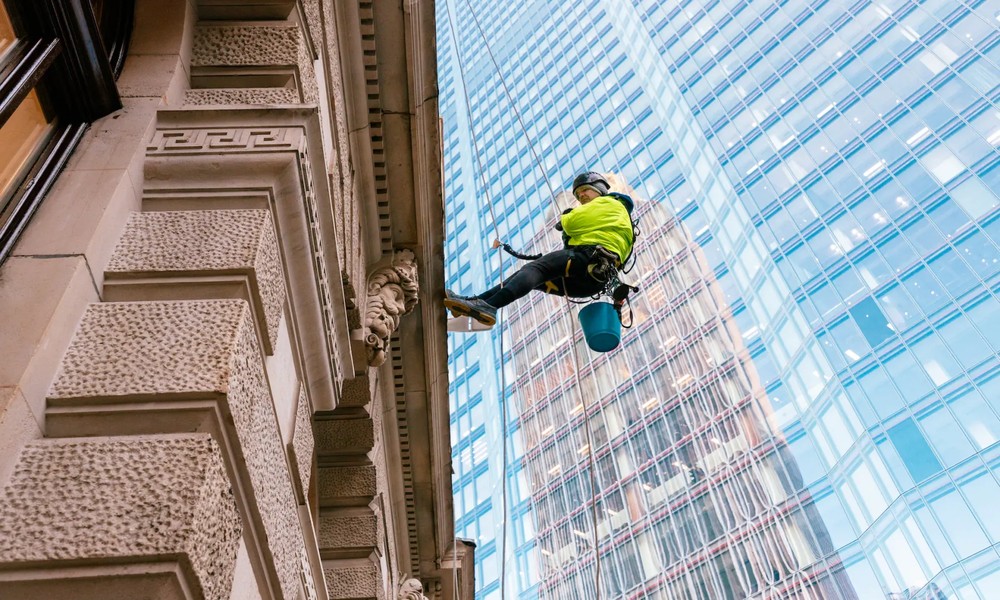
Glass and steel towers glint across city skylines, but maintaining these modern giants is anything but glamorous. Rope access cleaning and inspection have revolutionized how crews tackle the dizzying heights of urban, industrial, and civil structures, offering a nimble alternative to scaffolds and cranes. Yet, where ropes replace rigid frames, new challenges emerge, demanding technical expertise, rigorous safety, and innovative solutions.
Overview of Rope Access Cleaning and Inspection for Tall Structures
Rope access methods are defined by agility. Highly trained technicians ascend, descend, and traverse building exteriors using harnesses, specialized gear, and finely tuned safety systems. Compared to traditional access methods such as scaffolding and cranes, rope access eliminates the need for bulky installations, often reducing disruption in populated spaces and slashing setup times. This versatility is especially prized in Montreal, where architectural diversity and harsh winters pose unique cleaning and inspection obstacles.
Traditional Methods vs. Rope Access Techniques
Scaffolding and aerial work platforms offer stability but come at a cost: prolonged setup, street closures, and significant budget outlays. Rope access, by contrast, reduces logistical headaches, adapts to irregular surfaces, and accesses tight corners or overhangs often unreachable by mechanical means.
Key Applications in Urban, Industrial, and Civil Environments
The range is broad, cleaning glazed façades, inspecting concrete, repairing masonry, or installing safety nets. Rope access crews may also tackle tasks as specialized as tree trimming on high-rise property, revealing just how adaptable the approach has become.
Safety Challenges and Certification Standards
Safety in rope access is non-negotiable. Every project begins with a risk assessment, as technicians confront hazards from wind gusts to falling debris. Unlike scaffolding, rope access teams are in constant motion and must be prepared for unpredictable scenarios.
Comparing Safety Protocols: Rope Access vs. Scaffolding and Cranes
| Safety Aspect | Rope Access | Scaffolding | Cranes/Aerial Platforms |
|————————|—————————–|———————————-|———————————|
| Fall Protection | Harness, twin rope systems | Guardrails, platforms | Enclosed baskets, harnesses |
| Setup Safety Risk | Low (minimal ground work) | High (structure erection needed) | Medium (vehicle/machine setup) |
| Worker Certification | Mandatory (SPRAT, IRATA) | Varies | Varies |
| Emergency Response | Requires rescue-ready team | Standard evacuation procedures | Machine-based rescue |
Role of Certifications (IRATA, SPRAT) in Ensuring Worker Safety
Credentials from IRATA (International Rope Access Trade Association) and SPRAT (Society of Professional Rope Access Technicians) signal robust training in climbing techniques, rescue operations, and equipment management. In Montreal, reputable firms ensure that every technician on ropes is fully certified, and that anchors and gear pass regular inspection.
Equipment Standards: CSA and ANSI Compliance
Quality gear is essential. Compliance with CSA (Canadian Standards Association) and ANSI (American National Standards Institute) ensures that harnesses, ropes, and descenders can withstand the rigors and risks of working at height.
Efficiency and Cost Considerations
Speed and adaptability are rope access hallmarks. Where scaffolds might take days to erect and dismantle, rope access teams can mobilize within hours, progressing from setup to task completion with minimal disruption.
| Factor | Rope Access | Scaffolding |
|———————–|—————|—————–|
| Setup Time | 1-2 hours | 1-2 days |
| Direct Costs | Lower | Higher |
| Downtime (for client) | Minimal | Extensive |
For clients, the cost savings are tangible, not just in reduced labor, but in minimized interference with routine operations or building access.
Technical and Environmental Constraints
Despite its strengths, rope access is not without its constraints. Complex or confined spaces, such as behind architectural projections or within mechanical voids, may limit rope trajectories or anchor placements. Weather plays a decisive role: high winds, ice, or sudden storms can halt operations mid-task, pushing deadlines and demanding constant risk calculation.
Material durability matters, too. Cleaning chemicals and techniques must match surface sensitivity, while repairs to concrete or masonry require careful material selection to ensure lasting results.
Inspection Accuracy and Quality Control
Inspection is about more than just getting close to a surface. Rope access allows for detailed visual checks and hands-on assessments, but integrating high-tech tools like moisture meters or thermal cameras can pose challenges when working mid-air. Calibration and equipment maintenance become crucial, as technicians depend on reliable readings to inform diagnostics and recommend interventions.
Specialized Services and Adaptability
What sets rope access apart is the sheer variety of tasks it enables. Beyond façade cleaning, teams can seal joints, repair roofing, install anti-pigeon systems, or even maintain tall trees. Every structure brings its own quirks, demanding custom anchoring solutions and careful logistical planning, attributes that firms like Vertical Solutions entretien de façade en hauteur exemplify through their blend of expertise and flexibility.
Risk Management and Emergency Preparedness
No rope access project proceeds without thorough hazard identification, from loose masonry to overhead power lines. Emergency response protocols are drilled until reflexive, and insurance coverage is meticulously maintained to account for the inherent risks of working in exposed, elevated environments.
Future Trends and Innovations in Rope Access Work
As technology advances, rope access is poised to become even safer and more efficient. Drones assist with pre-inspection mapping, while digital documentation streamlines quality control. Training is evolving, too, with virtual reality simulations giving new technicians immersive practice before their first real-world climb. Regulatory frameworks continue to adapt, raising the bar for safety and professionalism industry-wide.
Taming the heights is a complex equation, one balanced by skill, preparation, and an unyielding commitment to safety. The evolution of rope access cleaning and inspection proves that, even as our cities reach upward, the means to care for them are keeping pace.