
Introduction
A mobile food trailer can be a practical way to start a food business with greater flexibility than a traditional restaurant. It allows business owners to serve customers at events, markets, busy streets, and other suitable locations. However, a successful food trailer needs careful planning. The design should support efficient food preparation, safe operations, easy customer service, and comfortable working conditions.
Before jumping into equipment and styling, taking the time to define your overall concept and operational flow sets a strong foundation. Investing in well-thought-out mobile food trailers allows entrepreneurs to tailor every detail-from power supply needs to spatial workflow-around their specific menu and target audience. By carefully assessing how your business will operate on a day-to-day basis, you can avoid costly redesigns and create a functional workspace that supports both high-volume output and smooth customer interaction.
Plan the Interior Layout
Cooking equipment, preparation areas, storage spaces, and washing facilities should be arranged in a practical and organised manner. Staff should be able to move between different workstations without unnecessary movement. A well-organised layout can save time and help staff handle multiple orders more efficiently during busy periods.
Select the Right Equipment
Choosing suitable equipment is an important part of trailer design. Cooking appliances, refrigerators, freezers, preparation tables, and other equipment should be selected based on the business’s daily operational needs. The menu should guide equipment choices because different types of food require different cooking and storage methods. Compact equipment can also help make better use of limited space.
Include Enough Storage
Storage is another important consideration because food trailers have limited room. Ingredients, packaging materials, utensils, cleaning supplies, and other items should have designated storage areas. Frequently used items should be kept easily accessible, while extra supplies can be stored in areas that are less frequently accessed. Good storage planning helps keep the work area clean and organised.
Focus on Food Safety
Food safety should be given proper attention throughout the design process. The trailer should include suitable areas for food preparation, cooking, washing, and waste disposal. Clean preparation surfaces, proper refrigeration, and handwashing facilities can help maintain good hygiene. Equipment should also be easy to clean and maintain so staff can keep the trailer sanitary during daily operations.
Create an Attractive Exterior
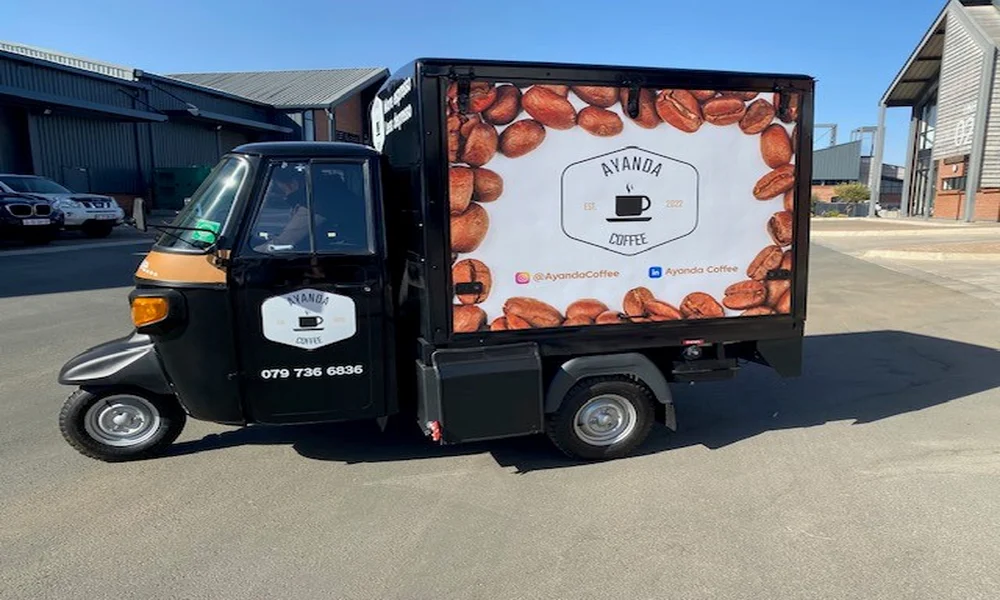
The exterior appearance of a food trailer can play an important role in attracting customers. A clean and attractive design, clear menu, readable information, and appealing presentation can make the trailer easier for customers to recognise. The serving window should be placed in a convenient location, allowing customers to order and collect food without creating unnecessary crowding.
Make Customer Service Convenient
Customer convenience should be a key consideration when designing the trailer. The ordering, payment, and food collection areas should be arranged efficiently and made easily accessible to customers. If the trailer operates in busy locations, enough space should be provided for customers to wait comfortably and safely.
Consider Transportation and Safety
Since a mobile food trailer must travel between locations, transportation should be considered during the design process. Equipment, cooking supplies, and other loose items should be securely stored and fastened before the trailer is moved. The trailer should also meet applicable requirements related to size, weight, towing, and safety.
Conclusion
Designing a mobile food trailer requires careful attention to both business and operational needs. A practical layout, suitable equipment, organised storage, proper hygiene, attractive presentation, and convenient customer service can support smooth daily operations.