
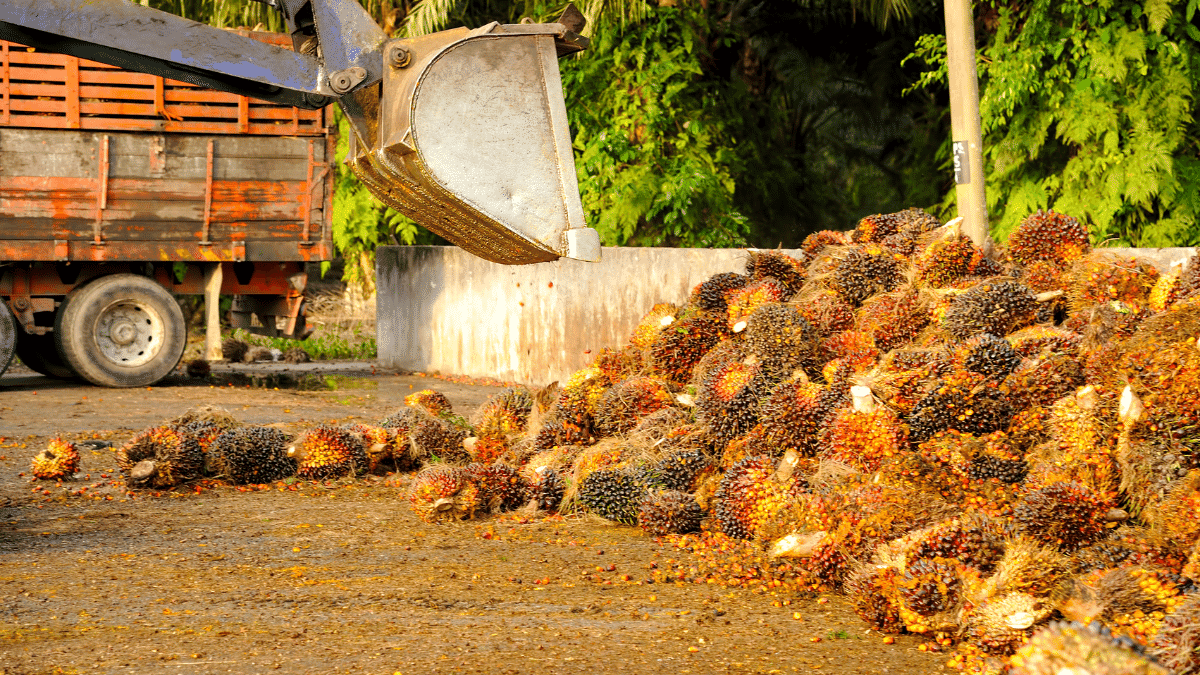
Investing in palm oil processing equipment—such as sterilizer palm oil mills, palm fruit threshers, digesters, and presses—can be highly profitable in regions where oil palm is abundant. However, like any capital-intensive investment, entering this market is not without risks. Operational downtime, supplier inconsistency, regulatory issues, and market volatility can significantly impact returns if not properly addressed.
This article outlines the top business risks associated with investing in palm oil equipment and offers practical mitigation strategies, especially for new investors or small and mid-sized processors. Whether you’re sourcing from local or international palm oil machinery manufacturers, understanding these risks in advance can help ensure a more resilient and sustainable business.
1. Equipment Reliability and Performance Risk
Risk:
Low-quality machinery, especially when sourced from unverified or low-cost vendors, can lead to frequent breakdowns, reduced efficiency, and lower oil yields. This is particularly true for critical machines like the sterilizer in the palm oil mill or the palm fruit thresher, both of which play a pivotal role in upstream processing. Poor performance can result in under-extraction, oil losses, and increased operating costs.
Mitigation:
Vet palm oil machinery manufacturers carefully. Choose suppliers with verifiable track records, certifications (ISO, CE), and proven experience in similar environments.
Request product warranties, installation support, and training.
Invest in preventive maintenance plans and maintain an inventory of essential spare parts for quick replacement.
2. Supply Chain Delays and Equipment Delivery Issues
Risk:
Delays in the delivery or installation of palm oil machinery can set back project timelines by months, especially for turnkey projects. Delayed commissioning means missed harvest seasons, opportunity losses, and a prolonged return on investment.
Mitigation:
Work with manufacturers that offer clear delivery timelines and contractual penalties for delays.
Choose suppliers with local representatives or regional offices to reduce shipping and customs delays.
Plan project schedules to allow buffer time for unexpected shipment or construction holdups.
3. Technical Skill Shortages and Training Gaps
Risk:
Even the most advanced palm oil machinery won’t perform optimally without skilled operators and maintenance technicians. Many first-time investors underestimate the learning curve involved in operating equipment like a palm fruit thresher or a sterilizer palm oil mill, especially when automation is involved.
Mitigation:
Ensure your machinery supplier provides onsite training.
Invest in operator education and certification programs—especially for critical units like boilers, automation systems, and electrical control panels.
Partner with local vocational schools or training centers to build a pipeline of skilled talent.
4. Regulatory and Environmental Compliance Risk
Risk:
Palm oil mills are under increasing scrutiny for environmental impacts, particularly waste disposal and emissions. Failure to meet local or international standards can result in fines, forced shutdowns, or export bans.
Mitigation:
Install water treatment and emission control systems as part of your initial investment.
Design your facility to align with RSPO, ISCC, or national environmental standards from the outset.
Consult environmental compliance experts during the feasibility stage.
5. Market Price Volatility and ROI Uncertainty
Risk:
The price of crude palm oil (CPO) is subject to global commodity fluctuations, trade regulations, and seasonal supply trends. This volatility can make ROI unpredictable—especially when paired with high fixed capital investments.
Mitigation:
Diversify your product portfolio to include palm kernel oil, palm kernel cake, or biomass by-products.
Invest in equipment that allows flexible production volumes so you can scale operations up or down based on market conditions.
Use financial hedging or forward contracts where available to lock in CPO selling prices.
6. Over- or Under-Capacity Investment Risk
Risk:
Investing in equipment that is too large or too small for the available fresh fruit bunch (FFB) supply can lead to poor asset utilization. Idle machines or production bottlenecks reduce efficiency and inflate unit costs.
Mitigation:
Conduct a detailed feasibility study to understand your consistent FFB supply before purchasing equipment.
Start with modular equipment configurations that allow future expansion.
Work with suppliers who provide scalable system designs and accurate production simulations.
7. After-Sales Service and Spare Parts Availability
Risk:
Even durable palm oil equipment requires ongoing service. Lack of access to trained technicians or spare parts can lead to long production halts, especially in remote areas.
Mitigation:
Choose palm oil machinery manufacturers that offer local after-sales support or remote diagnostics.
Negotiate service agreements during purchase, especially for critical components like sterilizer palm oil mill units and palm fruit threshers.
Stock key wear-and-tear parts onsite to minimize downtime.
Conclusion
Investing in palm oil processing equipment can be a gateway to high returns in the agribusiness sector—but only when done with strategic foresight. By recognizing potential risks related to equipment reliability, supply chains, regulation, technical skills, and market conditions, investors can put systems in place to protect their capital and enhance long-term profitability.
The right choice of palm oil machinery manufacturer—particularly those with strong reputations for delivering reliable sterilizer palm oil mills, palm fruit threshers, and turnkey support—can dramatically reduce the risk profile of your investment. Mitigation is not about eliminating risk entirely but about managing it effectively so your business thrives in a competitive and dynamic industry.