
The renewable energy industry is expanding rapidly, with governments, investors, and enterprises across the globe prioritizing sustainability and energy security. Wind power, solar power, hydropower, and biomass projects are all scaling at unprecedented rates, and each of these industries requires durable mechanical components to ensure long-term reliability.
Metal flanges are an essential part of these parts. Flanges are essential to many renewable energy systems, from joining pipes in hydropower facilities to protecting structural joints in offshore wind turbines. The usage of metal flanges by enterprises brings both growth prospects and difficulties that must be carefully managed.
The Importance of Metal Flanges in Renewable Energy
Metal flanges provide a secure method of joining pipes, shafts, and other structural elements, making them essential in renewable energy projects that involve high pressure, vibration, and demanding environmental conditions. For example:
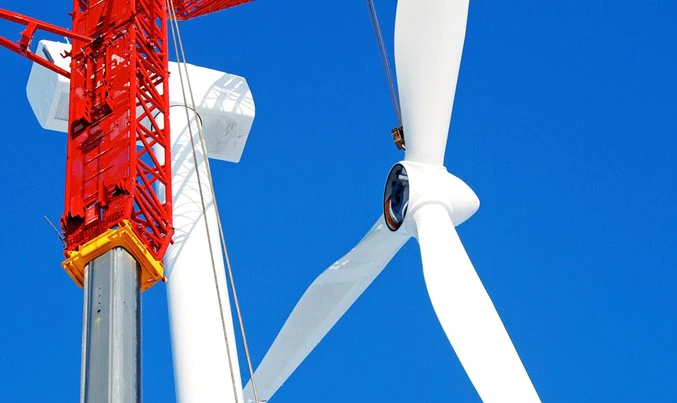
- Wind Energy: In offshore and onshore wind turbines, flanges connect tower segments, nacelle housings, and blade hubs. Their performance directly influences the structural stability of turbines.
- Solar Energy: While not as prominent as in wind or hydro projects, flanges are used in piping systems for solar thermal plants, ensuring leak-free connections for heat transfer fluids.
- Hydropower: Turbines, penstocks, and pipelines rely on flanges for precision alignment and pressure resistance, where failure could disrupt energy output.
- Biomass Plants: Involving complex fluid and gas systems, flanges ensure safety and operational efficiency across diverse processing units.
Without reliable flanges, these projects risk reduced efficiency, safety hazards, and costly downtime.
Business Potential of Metal Flanges in Renewables
The growing renewable energy sector translates into rising demand for high-quality metal flanges. This creates strong business opportunities in several ways:
- Market Expansion: As renewable projects scale globally, suppliers of flanges can secure contracts for wind, solar, hydro, and biomass facilities. Emerging economies investing in green infrastructure represent particularly lucrative markets.
- Customization Demand: Standard flanges are often insufficient for the unique conditions of renewable energy projects. For instance, corrosion-resistant flanges with specific coatings are needed for offshore wind turbines. Businesses offering custom metal forging services can capture value by meeting these specialized needs.
- Global Supply Chains: Renewable energy projects often involve international partnerships. Flange manufacturers who can meet international standards such as ASME, DIN, and ISO position themselves as key suppliers in global value chains.
- Sustainability Alignment: Businesses providing recyclable, low-carbon footprint flange solutions can differentiate themselves in a market increasingly concerned with environmental responsibility.
Challenges in Supplying Metal Flanges
While opportunities are strong, several challenges remain for businesses supplying metal flanges to renewable energy projects:
- Quality and Certification: Renewable projects are capital-intensive, and even minor failures can have catastrophic consequences. Flange suppliers must adhere to rigorous quality standards, including non-destructive testing, pressure testing, and material certifications.
- Cost Pressures: Developers of renewable projects often seek to reduce upfront costs. This leads to conflict between competitive price and the requirement for strong, premium flanges. Suppliers must balance affordability with performance to win contracts.
- Logistical Complexity: Offshore wind farms and other large-scale renewable energy projects are frequently situated in isolated or hostile areas. Delivering heavy and specialized flanges to these locations requires reliable logistics and strategic planning.
- Technological Demands: The demands on flanges are increasing in tandem with the scale and complexity of renewable energy systems. For example, next-generation wind turbines exceeding 14 MW output require larger, stronger flanges that push manufacturing capabilities to the limit.
- Global Competition: Many markets face intense competition from international suppliers. A mechanical parts manufacturer entering this space must differentiate through innovation, service quality, or niche specialization to remain competitive.
Strategic Approaches for Businesses
To thrive in this evolving landscape, flange suppliers can adopt several strategies:
- Invest in R&D: Developing high-performance alloys, anti-corrosion coatings, and advanced forging techniques can secure contracts for demanding projects.
- Digital Integration: Using digital tools such as 3D modeling, supply chain tracking, and predictive maintenance data strengthens customer relationships.
- Partnerships: Collaborating with turbine manufacturers, EPC contractors, and renewable energy developers can help secure long-term supply agreements.
- Aftermarket Services: Providing inspection, maintenance, and replacement services ensures recurring revenue beyond initial project installation.