
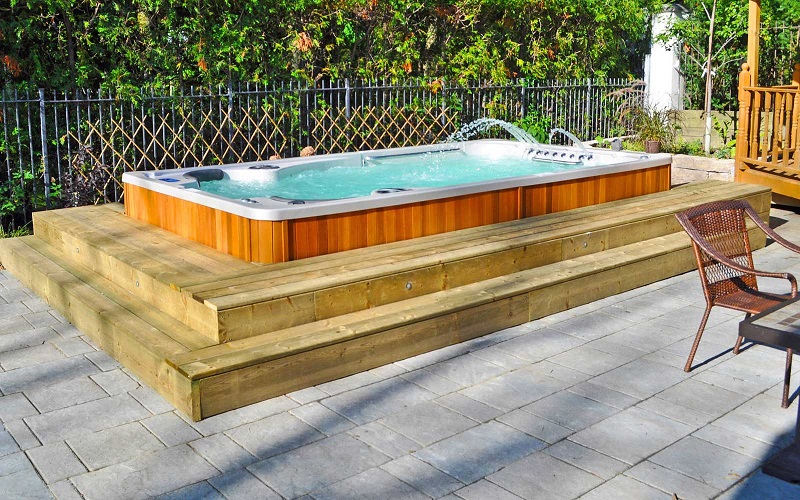
It’s essential to maintain a balanced water chemistry in your swimming pool to keep it tidy, secure, and fun. In addition to maintaining a pristine appearance, proper water chemistry also helps shield your pool’s equipment from potential health risks and increases its longevity. The complexities of water chemistry can be intimidating to people who have never owned a pool, but with a basic understanding, you can successfully and efficiently control the water quality in your pool.
Important Elements in Pool Water Chemistry
The three main elements of pool water chemistry are the concentrations of sanitizer, pH, and alkalinity. Each is essential to preserving a healthy, balanced pool environment.
pH Level
Pool water pH denotes acidity or basicity. Pool water pH should be 7.2–7.8. Acidic water irritates skin and eyes and corrodes metals. However, high pH water scales pool surfaces and reduces sanitizer efficiency. Regular pH testing and adjustment are needed to maintain appropriate pH.
Total Alkalinity
Total Alkalinity buffers pH. It reduces pH fluctuations from precipitation, swimming, and chemicals. For total alkalinity, 80–120 ppm is recommended. While high alkalinity causes scaling and murky water, low alkalinity causes pH swings.
Sanitizers
Pool water must be disinfected using chlorine or bromine to eliminate harmful bacteria. The most common sanitizer is chlorine, which should be kept at 1–3 ppm. Indoor pools and hot tubs use bromine. Sanitizer concentrations must be maintained to prevent algae and germ growth.
Selecting Reputable Pool Builders
Choosing best professional pool builders in charleston can help with new or old pool projects. Expert pool builders’ offer water chemistry guidance as well as construction services. Their expertise ensures your pool has the right chemicals and equipment to maintain water quality.
Professional pool designers can recommend automated chemical feeders and premium test kits based on your pool design and usage. Their guidance makes pool water chemistry control easier and avoids common risks. They may also troubleshoot to keep your pool running smoothly.
Frequent Evaluation and Modification
Pool chemistry must be tested and adjusted often to stay healthy. Frequent testing of water pH, alkalinity, and sanitizer levels makes balance easier. Test kits at pool supply retailers often have digital readings for ease. Testing should be done weekly or more often if weather changes or the pool is busy. The findings may require chemical level adjustments. Add a pH increaser if the pH is too low. A deficient alkalinity may require an increaser. Sanitizers must be added regularly to keep water pure.
Conclusion
Maintaining a sparkling, healthful swimming environment demands pool water chemistry knowledge and management. By monitoring pH, alkalinity, and sanitizer levels and hiring experienced Charleston pool builders, you can keep your pool in excellent shape. Checking and maintaining the pool’s infrastructure will extend its lifespan and improve swimming. By following these instructions, you’ll have a gleaming, inviting pool all season.