
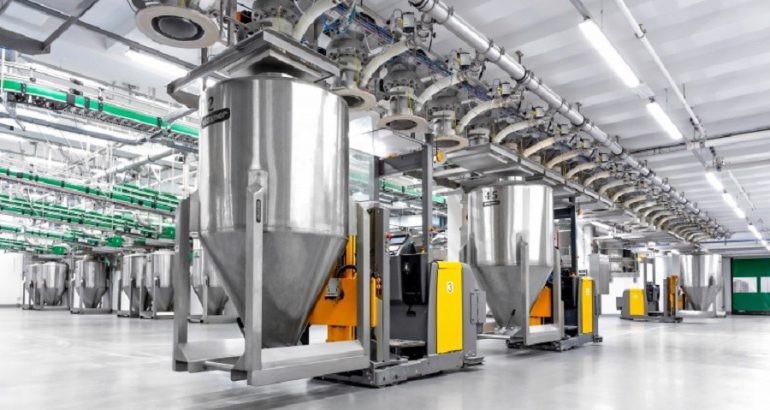
Designing a modern food processing plant is a complex challenge that demands more than just architectural expertise — it requires industry-specific knowledge, regulatory understanding, and a deep appreciation for operational workflows. As food safety standards become stricter and consumer expectations evolve, having experienced architects at the helm is crucial to creating facilities that are safe, efficient, and future-ready.
Understanding the Complexity of Food Plant Design
Food processing plants are unlike standard industrial facilities. They must be designed to meet stringent hygiene standards, accommodate specialized equipment, and support seamless workflows — all while maintaining energy efficiency and compliance with multiple regulatory bodies.
Key design considerations include:
- Zoning for hygienic separation (raw vs. cooked product zones)
- Optimized material flow to reduce cross-contamination risks
- Specialized HVAC systems for clean air and temperature control
- Drainage and floor finishes tailored for frequent washdowns
- Employee welfare facilities such as gowning areas and break rooms
These requirements vary by product type (meat, dairy, bakery, etc.) and can significantly impact the facility’s layout and infrastructure. Only seasoned architects with food industry experience can anticipate and effectively address these challenges from the start.
The Value of Regulatory Familiarity
Food facilities are heavily regulated by national and international bodies such as:
- FDA (Food and Drug Administration)
- USDA (United States Department of Agriculture)
- CFIA (Canadian Food Inspection Agency)
- GFSI (Global Food Safety Initiative)
Compliance with these regulations affects not only food safety but also the plant’s ability to operate and expand. Experienced food plant architects know how to design within these frameworks, helping companies avoid delays, fines, or costly rework.
Architects with a proven track record also stay current with evolving food safety standards, ensuring new facilities or renovations are built for both current and future compliance.
Efficiency and Future-Proofing
Food plants must operate with precision and minimal waste. Poor design can lead to inefficient production lines, excessive downtime, and higher operational costs. An experienced team ensures:
- Strategic equipment placement for smooth processing flow
- Adequate utility access for electrical, water, and waste systems
- Scalable layouts for future production line additions
- Smart energy solutions to reduce environmental impact
These decisions are not learned overnight. They come from decades of industry-specific experience and a deep understanding of how real food production works.
Firms like Stendel + Reich food plant architects bring this level of expertise to every project. Their experience designing plants for diverse food categories ensures that each facility is tailored to its unique operational demands while still meeting broad food safety and energy goals.
Importance of Cross-Disciplinary Collaboration
Food facility design often involves collaboration between architects, engineers, food scientists, equipment suppliers, and project managers. Architects with experience in this sector know how to communicate effectively across all disciplines — facilitating smoother planning, faster approvals, and more cohesive project execution.
Their ability to anticipate how decisions in one area (e.g., ventilation) impact another (e.g., condensation control or product quality) can prevent costly oversights that less experienced firms may miss.
Building for Long-Term Success
When food processing plants are poorly designed, the consequences can be long-lasting — affecting everything from employee safety to product quality and brand reputation. Experienced food plant architects help businesses avoid:
- Workflow bottlenecks
- Sanitation difficulties
- Regulatory shutdowns
- Space constraints for growth
By investing in the right expertise from the beginning, companies position themselves for long-term operational success and easier facility expansion in the future.
Conclusion
Experience matters immensely when designing food processing facilities. The right architectural team brings technical knowledge, regulatory awareness, and a deep understanding of food manufacturing dynamics to every project. With proven firms like Stendel + Reich food plant architects, businesses can be confident their facilities will meet today’s demands while remaining adaptable for the future — ensuring efficiency, safety, and sustained profitability.