
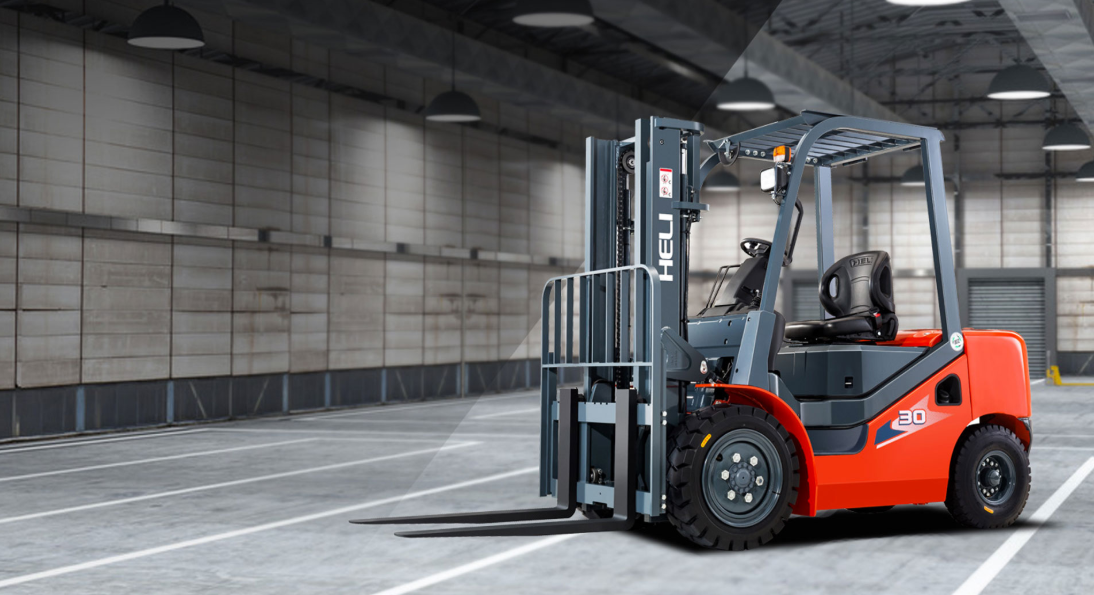
Forklifts don’t grab headlines. They aren’t sleek or fashionable, yet they’re the backbone of daily operations for thousands of businesses in Victoria. Warehouses shifting pallets, farms hauling produce, construction crews moving materials—none of it works without them. Buying new sounds ideal, but the price is often crippling. Many business owners quietly look at used forklifts for sale in Victoria. Not as a fallback. More as a practical, budget-aware choice that doesn’t sacrifice function.
Looking Beyond the Sticker Price
People often reduce the whole decision to one thing: cost. Cheaper, therefore better. But the real picture is layered. In Victoria’s economy, downtime can bleed money faster than any purchase price. A machine sitting idle during a busy season? That’s thousands lost. Sometimes, oddly enough, an older forklift with a clear maintenance record is less of a gamble than one brand-new unit you can’t afford to back up with another.
The “cheap equals smart” approach misses important details. Buyers who think long-term look at service life, not just cost. How many engine hours remain? What shape is the mast in? Are the tyres shredded or fresh? Those details don’t just predict future expenses—they tell you how the machine was treated. Price tags, by themselves, don’t speak. You need the story behind them.
The Forklift Market in Victoria Is Unique
Victoria isn’t like every other region. Melbourne’s role as a logistics hub means warehouses everywhere, and warehouses mean fleets of forklifts. Large companies retire machines quickly—every three, maybe five years—simply because policy says so. Perfectly functional forklifts, shuffled out before their time.
This constant cycling creates opportunities. A grower in Mildura can snag ex-warehouse electrics for shed work. A construction crew in Ballarat picks up diesel counterbalance forklifts that the city warehouses discarded, machines still built for power and outdoor endurance. The diversity of Victoria’s industries fuels a second-hand market richer than in many parts of Australia. That context matters; it shapes the bargains available.
What Buyers Often Overlook
Compatibility is one thing people underestimate. Imagine a fleet of LPG forklifts. Adding an electric model feels progressive. Cleaner, quieter. But now you need charging stations, battery training, and spare parts that don’t match your existing stock. What looked smart on paper becomes friction in practice.
Operator comfort is another blind spot. Forklifts aren’t driven for minutes—they’re driven for hours. A cracked seat, bad visibility, stiff steering—it grinds operators down. Fatigue leads to mistakes, and mistakes in a forklift environment can be costly.
And batteries, in electric units, matter more than most buyers realise. They can represent half the forklift’s value. A “bargain” machine with a failing battery isn’t cheap at all. Ask when it was last replaced, how often it was watered, and how many charging cycles it has endured. Ignore the battery, and you may regret it.
The Local Advantage of Buying Close to Home
Scrolling online marketplaces for interstate deals seems tempting. The forklift might be cheaper on paper. But freight costs are high. Machines aren’t light. What you save upfront can vanish in transport fees.
More importantly: accountability. Local suppliers in Victoria operate in close-knit industries. Sell a dud machine, and word gets around. Reputation matters. That means if something breaks soon after purchase, you stand a better chance of real support from someone who doesn’t want their name tarnished. Try chasing down an interstate seller—you’ll be left waiting.
How the Economics Actually Work Out
Depreciation hits forklifts like it hits cars. The first few years eat most of the value. Buyers stepping into the market later avoid that sharp drop. That’s why used equipment often makes financial sense. But here’s a deeper angle: sometimes two used forklifts beat one new one.
Picture a small distribution firm. One gleaming new forklift looks good in reports, but if it fails, the business stalls. Two well-chosen used forklifts? Even if they’re older, operations continue when one is down. Flexibility trumps prestige.
Final Thoughts
Second-hand doesn’t equal second-best. It equals practical. Smart. Thoughtful. Buyers in Victoria who understand their needs—and the quirks of the local market—often come out ahead. Ex-fleet machines, diverse supply, strong local networks: all of this creates a landscape where opportunity exists for those paying attention.
The real question isn’t whether used forklifts save money. It’s whether they fit your business, align with your workload, and keep you moving when demand peaks. For warehouses, farms, construction crews—anyone relying on these unsung machines—the answer is often yes. Which is why, for so many, used forklifts for sale in Victoria remain not a compromise but the smartest move they’ll make.