
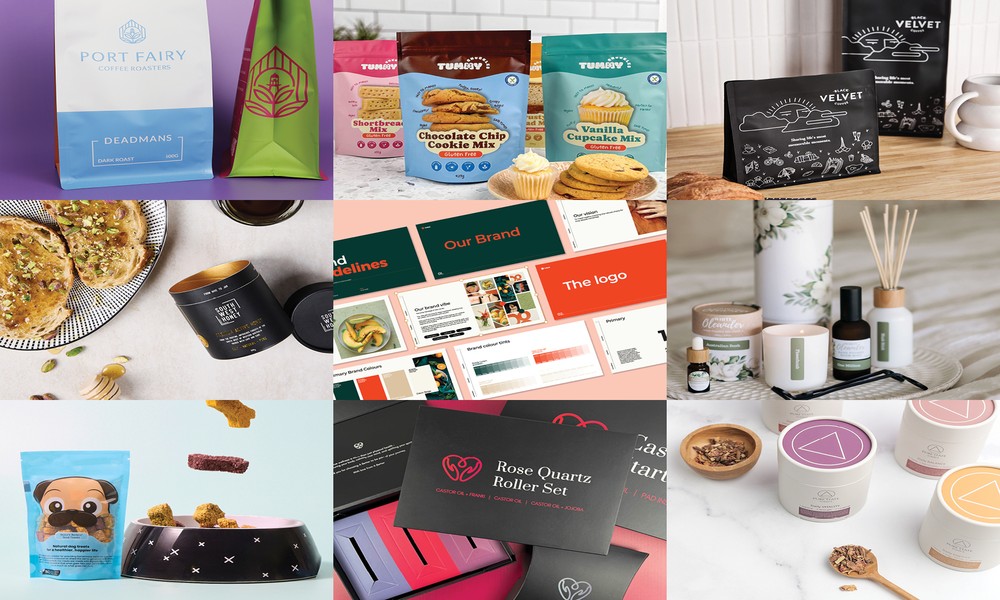
You already know packaging matters. The real question is how to approach it in a way that avoids mistakes, saves time, and leads to packaging that actually works in the real world. I look at packaging design through a practical lens. I focus on how ideas translate into print, production, and use, not how they look in isolation.
When I assess packaging design services, I look at process, production knowledge, and how well a team supports decision making. That is why I often point people toward resources that clearly explain how to design packaging and back that guidance with real production support. This article breaks down how to think about packaging design in Australia, what makes custom packaging design effective, and how to choose design support that fits your stage and budget.
Why packaging design decisions carry long term impact
Packaging is one of the few brand assets that customers physically handle. Every choice affects cost, shelf presence, protection, and repeat orders. I have seen brands struggle because early packaging decisions were rushed or designed without production input.
Good packaging design helps you:
- Present your product clearly and professionally
- Avoid reprints and production delays
- Control costs as volumes increase
- Keep branding consistent across formats
Poor packaging design often leads to wasted spend, unclear branding, or files that cannot be printed correctly.
How I think about product packaging design
I approach packaging design as a balance between brand intent and production reality. Visual appeal matters, but it must work with materials, print methods, and finishes.
When thinking through your own packaging, I recommend focusing on:
- Product size, weight, and protection needs
- How the packaging will be handled or shipped
- Where it will be displayed or stored
- What information must appear on pack
Design that ignores these factors often fails at production or needs costly changes later.
Custom packaging design versus template based design
Custom packaging design gives you control over size, structure, and presentation. It allows packaging to fit your product properly and reflect your brand clearly.
Template based design can work for early testing, but it has limits:
- Fixed sizes can waste space or increase shipping costs
- Design layouts may not suit your product shape
- Print quality can suffer if files are not prepared correctly
Custom packaging design services are most valuable when they consider how the packaging will be made, filled, and used.
Why production knowledge matters in packaging design
I always stress this point. Packaging design without production input creates risk. Files may look fine on screen but fail during printing or assembly.
This is where The Packaging People stand out. Their design services are built around real production constraints. Designs are created with materials, finishes, and print methods in mind from the start.
They support:
- Packaging design that is ready for print
- Correct use of factory supplied dielines
- Layer setup for finishes like foil or spot gloss
- Artwork that aligns with machinery and materials
This approach reduces revisions and helps packaging move from idea to shelf with fewer issues.
What custom packaging design services should include
When evaluating design services, I look for clear structure and realistic support. Strong packaging design services typically include:
- Design development based on brand direction
- Label design that matches materials and print methods
- Dieline setup and print ready file preparation
- Guidance for people without in house design experience
The Packaging People offer end to end packaging design support, covering everything from early ideas to production ready files. This makes their service suitable for startups, growing brands, and established businesses refreshing their packaging.
How their design process supports better decisions
I value clarity in process. Their design workflow starts by gathering ideas, goals, and inspiration. This helps define what level of design support is needed before work begins.
The process includes:
- Clear quoting and defined inclusions
- Structured design development
- Two rounds of revisions per asset
- Alignment between design and production teams
This structure helps keep projects moving and prevents scope confusion.
Visual identity and label design support
Packaging design often fails when branding is incomplete or inconsistent. For brands without a full identity, visual identity design creates a foundation that packaging can build on.
They offer:
- Visual identity development beyond a logo
- Label design informed by in house production
- Support for complex finishes and materials
Because labels are often produced in house, designs are set up to print accurately and look correct on the final product.
Why Australian brands choose this approach
Australian packaging often involves shorter runs, lower minimums, and faster turnarounds. Design services must match those realities.
The Packaging People are known for:
- Professional design priced below agency rates
- Direct access to production support
- Low minimum order quantities for custom packaging
- Packaging solutions suited to different business stages
With more than 18 years of experience and national stock availability, they support brands across many industries.
How you should think about designing packaging
If you take one thing from this, let it be this. Packaging design works best when creative ideas and production knowledge move together. I recommend choosing design support that understands print, materials, and manufacturing from day one.
When packaging design is done this way, you gain confidence that your packaging will look right, function properly, and support your brand as it grows.