
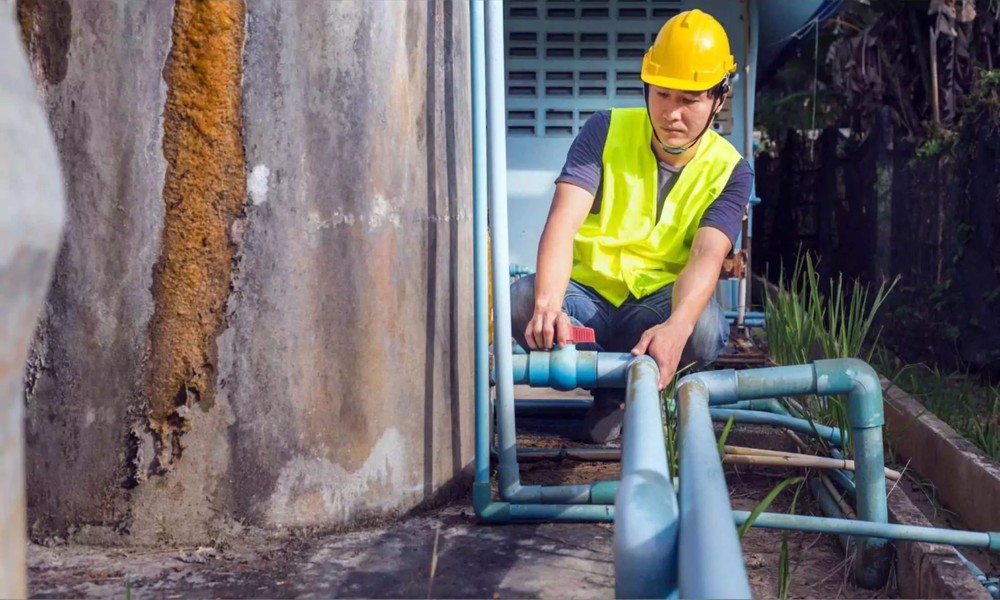
Proper installation is crucial to ensure that industrial pipework operates safely and efficiently. In UK industries, poorly installed pipelines can lead to leaks, downtime, and costly repairs.
By following best practices during installation, engineers and technicians can maintain system integrity, reduce maintenance costs, and extend the life of piping systems.
Key Principles for Leak Free Installation
1. Plan and Prepare
Before installation begins, review system designs, material specifications, and pressure requirements. Ensure that:
- Pipes, fittings, and valves meet required standards
- Work areas are clean and accessible
- Necessary tools and equipment are ready
Preparation reduces errors and ensures a smooth installation process.
2. Proper Cutting and Deburring
Pipes must be cut to the correct length with clean, square ends. Deburring removes rough edges that can compromise seals or create flow turbulence, particularly in stainless steel or plastic systems.
3. Correct Jointing Techniques
The type of connection depends on pipe material and system requirements:
- Threaded Joints: Ensure threads are clean, properly aligned, and sealed with appropriate compounds or tapes
- Flanged Joints: Use correct gasket materials and torque bolts evenly to avoid leaks
- Welded Joints: Ensure proper penetration and quality checks in high-pressure or critical systems
- Push Fit or Solvent Welded Joints: Follow manufacturer instructions for full engagement and cure times
4. Alignment and Support
Pipes should be properly aligned to prevent stress on joints. Adequate support prevents sagging or vibration, which can lead to leaks or premature failure. Use hangers, brackets, or supports appropriate to the pipe material and load.
5. Pressure Testing
Once installed, pressure testing verifies integrity:
- Hydrostatic testing with water or compatible fluid
- Pneumatic testing for gas systems (with appropriate safety measures)
- Check for leaks, deformation, or unusual noises
Pressure testing confirms that the system can handle operational conditions safely.
6. Documentation and Inspection
Record installation procedures, material specifications, and test results. Regular inspections and maintenance schedules help identify potential issues early.
Common Installation Mistakes to Avoid
- Using incompatible materials or fittings
- Over tightening threaded connections
- Neglecting support or alignment
- Skipping pressure testing or documentation
- Ignoring environmental factors such as temperature or chemical exposure
Avoiding these mistakes ensures reliable and long lasting pipework.
Applications Across UK Industries
- Chemical Plants: Safe handling of corrosive liquids under pressure
- Water Treatment: Leak free pipelines for clean water distribution and waste management
- Food and Beverage Production: Maintaining hygienic and durable piping systems
- Oil and Gas: High pressure lines requiring precise installation techniques
- HVAC and Process Engineering: Ensuring energy efficiency and system reliability
Proper installation benefits both operational efficiency and safety.
Frequently Asked Questions
Why is pressure testing necessary after installation?
Pressure testing ensures that joints and connections are leak free and can safely handle operational pressures.
Can improper support cause leaks over time?
Yes. Without adequate support, pipes can sag or vibrate, stressing joints and causing leaks.
How important is material compatibility during installation?
Material compatibility is critical. Incompatible pipes or fittings can degrade quickly, leading to corrosion or failure.
Should installation follow manufacturer guidelines?
Absolutely. Following manufacturer instructions ensures optimal joint integrity and system performance.
Final Thoughts
Installing industrial pipework correctly is vital for leak free, safe, and efficient operation. By preparing thoroughly, using proper jointing techniques, ensuring alignment and support, and conducting pressure testing, engineers can minimise the risk of leaks and extend system life.
Adhering to these best practices supports reliable operations across UK industries, from chemical processing to water treatment and beyond.